
Dark circles are unsightly and bothersome, as anyone who has ever had them can attest. Dark circles are, as the name suggests, visible dark shadows that appear unsightly and troublesome.
Physiologically, dark circles are dark or shadowy skin discolorations around the eyes. However, they can also be a symptom of an underlying disease or disorder. The discoloration is usually most visible in the area below the eye socket (orbit).
A distinction is made between:
- Skin with hyperpigmentation
- a dark appearance of the skin caused by translucent underlying vessels
Key takeaways
- Dark circles can indicate that you are not getting enough sleep or are stressed.
- There are many ways to get rid of dark circles without resorting to surgery or expensive creams. Caffeine, potatoes, and cucumbers can all help reduce the appearance of dark circles.
- If you notice severe discoloration or swelling under your eyes, you should consult a doctor as a precaution.
Dark circles – what causes them?
The thinnest part of the body is the skin under our eyes. During sleep, lymphatic circulation slows down, and lymphatic fluid can accumulate under the eyes. This causes blood vessels to dilate, leading to a darker skin tone around the eyes.
The most common causes of dark shadows under our eyes are lack of sleep, stress, and exhaustion. In addition, smoking accelerates skin aging, makes it thinner, and intensifies dark circles.
However, dark circles under the eyes can be caused by organ or blood diseases. Therefore, if your dark circles get larger, or you repeatedly notice swelling or even bruising, you should consult a doctor.
The individual triggers for dark circles
Sleep deprivation
The oxygen content in the blood decreases as a result of fatigue. The decrease in oxygen concentration makes the blood appear darker. Dark circles are caused by the reduced flow rate, less oxygenated blood, and the limited availability of fatty tissue under the eyes.
Stress
Tension and stress not only affect our mental health, but also our physical appearance. For example, exhaustion can cause dark circles to form under the eyes - when cells lose water, wrinkles form and cast shadows. To avoid this lack of moisture in the skin, we need to learn how to care for it properly.
Age
The appearance of dark circles can also be due to some age-related changes. The skin becomes thinner, causing the subcutaneous fat to lose substance and appear saggier. These two factors contribute to the vessels shining through more easily. In addition, the tear trough - a specific area on the inside of the eye socket - deepens over time, which intensifies the shadows and creates a darker appearance.
Pigmentation
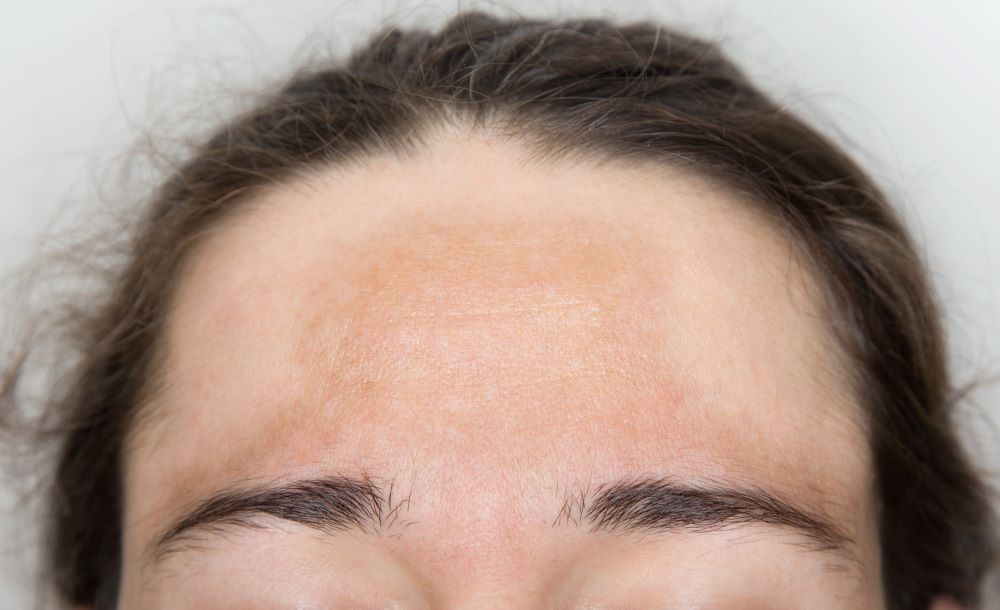
The color of the skin can also change due to a so-called melasma. Melanins are special pigment molecules that give the skin its color. The more of them present in the skin, the darker it appears. If additional melanins accumulate in certain regions, this is called hyperpigmentation or melasma if the eye area is affected. Blue or bluish-gray circles appear under the eyes when hyperpigmentation affects the eye area. Find out what causes hyperpigmentation.
Vessels
The reason for dark circles under the eyes can be even deeper. Since the skin and subcutaneous fatty tissue are particularly thin, especially below the eye, the blood vessels that supply this muscle can show through. This makes the affected regions appear dull and creates visible black circles. The extent to which blood vessels show through the skin varies greatly from person to person. It depends on a variety of factors, including skin type and the thickness of the infraorbital subcutaneous fat.
Poor nutrition
In addition to sleep, your diet also influences the formation of shadows under your eyes. If you have a deficiency in iron, vitamins, or minerals, you are more likely to get darker shadows. However, if the shadows are a different color than your skin tone, this is most likely due to genes or sun exposure. To prevent this facial discoloration, you should find out which foods help against eye shadows.
Alcohol and nicotine
Nicotine, for example, reduces blood circulation. In most cases, a single glass of wine alone does not cause dark circles. However, avoid smoking and excessive alcohol consumption, as this can strain the metabolism and lead to skin aging and dark circles.
Screen work
Computer work takes its toll on the eyes. Poor lighting and glossy displays further strain them. The heavily used eye muscles require more oxygen when overstrained, and blood flow increases here and shimmers through the skin. Screen breaks help prevent dark circles from forming over time. Even a few moments with closed eyes can help relax the eye muscles.
Diseases
While the listed causes of dark circles are relatively harmless and easy to remedy, there are other possible explanations that could be more serious. If you cannot determine the cause of your own dark circles or if they appear without warning during a time when you are living a healthy lifestyle and do not disappear, you should consult a doctor.
Thyroid, kidney, gallbladder, and liver diseases are also associated with noticeable eye problems such as shadows and swelling under the eyes. Waste products that have been excreted but not removed can accumulate in the vessels under the eyes. The yellow pigment bilirubin, which is present in the blood in liver diseases such as hepatitis, can be visible through the thin skin under the eyes. Anyone who has been struggling with dark circles for a long time should consult a doctor to find out what is causing them.
Dark circles in children
Dark circles are often associated with lack of sleep, especially in children. In reality, this is rarely the case. Instead, the skin discoloration usually occurs as a result of an allergy or a cold accompanied by a stuffy or runny nose. This happens due to swelling in the nasal passage and congested nasal secretions, which causes the blood vessels near the eyes to dilate and appear darker than normal due to their thin layer.
What to do about dark circles?
Are dark circles permanent? Not always. In fact, they are often just a sign of fatigue or lack of sleep. This is good news because it means you can get rid of them relatively easily without resorting to expensive treatments. While some people use concealer or special creams to hide the dark areas under their eyes, others rely on home remedies such as cucumber slices or tea bags.

Sliced cucumbers or black tea bags are both excellent for moisturizing and soothing your eyes. When you place cucumber slices on your eyes, the water, as well as the vitamins and minerals, soothe your eyes. The tannins in black tea have a similar effect when you place soaked tea bags on each eye.
If you don't have cucumbers, black tea, or an eye cream for dark circles at home, you can try the following simple methods:
- Caffeine: Caffeine not only makes you more awake, but can also have a tightening effect on the skin. As a result, the puffiness and dark circles caused by dilated blood vessels will recede.
- Potatoes: Potatoes have anti-inflammatory, skin-soothing, and brightening components that can help with dark circles. Finely grated potatoes or thicker potato slices placed on the eyes are suitable for this application.
There are three main things you can do to get rid of dark circles without medical treatment: Sleep, exercise, and eat a balanced diet.
Vitamins for dark circles
A healthy diet can help prevent the formation of dark circles, and a balanced diet prevents them. These are the substances you should consume:
- Vitamin C: It is found in many fruits and vegetables, including oranges, kiwis, and blackcurrants, as well as in bell peppers, spinach, and cabbage varieties such as Brussels sprouts, kale, and broccoli.
- Vitamin K is needed for blood clotting and is found in cabbage, green leafy vegetables, and herbs such as chives and parsley.
- Zinc is a nutrient that can help reduce the appearance of dark circles. You can get it by eating whole grains, nuts, and cheese.
- Buckwheat, millet, oatmeal, and wheat bran are good sources of iron, as are seeds and nuts.
Professional dark circle removal
It is also possible to have dark circles removed professionally. Manual or mechanical lymphatic drainage, for example, helps the tissue fluid, the lymph, drain from under the eyes, thereby fading the dark circles. However, such treatment requires the help of a specialist.
Conclusion
To get rid of or combat dark dark circles, it is usually sufficient to make some lifestyle changes. However, under certain circumstances, there may be other reasons for dark circles and shadows around the eyes. A specialist can determine whether dark circles are caused by very dry, sensitive, or fragile skin and offer you the appropriate eye treatment if necessary.