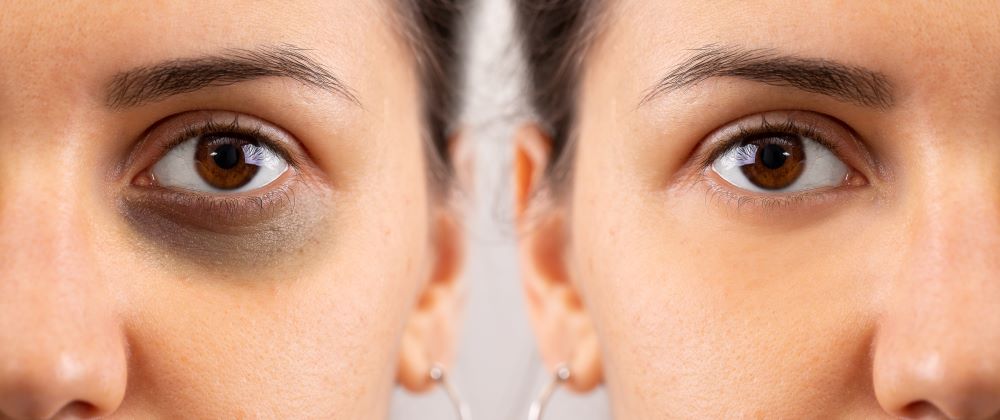

Dry skin on the face is extremely unpleasant and must be treated at all costs. Flaking, irritation, and redness are tell-tale signs of sensitive skin. Everyone wants healthy, supple, and attractive skin. Anyone who has ever had dry skin on their face knows how painful it is. Do you have dry, itchy, and irritated skin? You're not alone. In fact, millions of people suffer from dry facial skin every day. But what is the cause of this unpleasant condition? And more importantly, what can you do about it? Read on to find out!
Which skin types are affected by dry facial skin?
If you have dry skin, it often manifests as a pale complexion, thin flakes, and red patches. Your entire appearance can look tired. You may also see small wrinkles on your cheeks and feel itchiness and tightness on your skin. The face is sometimes redder in certain areas. Is every skin type prone to dry facial skin, or is it due to aging and accelerated skin aging? Here's how to tell if your skin is normal, oily, dry, or a combination.
- Normal facial skin: This is the ideal skin type. It is neither too dry nor too oily, and it is quite smooth. External factors can cause normal skin to become dry, even if it wasn't excessively dry or oily before.
- Dry facial skin: The rough, red, itchy patches on your face are a sign that you have dry skin.
- Oily facial skin: You will only get dry skin if you wash your face frequently.
- Combination skin: The skin on our face can be broadly divided into two types: the T-zone is usually oily, while the cheeks are dry.
Pimples on dry facial skin
Pimples on dry facial skin are relatively uncommon. The pores are finer and sebum production is lower than, for example, on oily skin. This reduces the risk of blackheads and pimples.
Dry facial skin: These can be the causes
Healthy skin is able to regulate its own oil and moisture levels. Dry skin, unfortunately, cannot and needs extra help from you. There are several reasons why dry skin cannot regulate its fat and moisture content as healthy skin does.
Causes of dry facial skin:
- Incompatible makeup
- Older age leads to slower skin metabolism
- Heat, cold, wind, air pollution
- Heating and air conditioning
- Smoking, alcohol consumption, and diet all affect your skin.
- Allergies, illnesses, and inherited factors
- Long-term stress or psychological illnesses
- Metabolic diseases
As you can see from the listed causes of dry skin, there are both internal and external factors. However, you should be able to take care of most of these problems yourself.
How does facial skin lose moisture?
In general, it must be said that facial skin is much more sensitive and thinner than other parts of the body. Considering that the face is one of the few parts of the body exposed to sunlight, dirt, and other factors in all seasons, this layer has to perform an amazing task for us every day. Both internal and external influences can impair this performance.
External influences
In winter, we endure wind and cold outdoor temperatures, as well as dry heating air on our faces. This ultimately leads to the skin becoming dehydrated. But also frequent washing, strong care products, and long hot baths or showers can contribute to more dryness on the face. The skin's protective film and facial skin are disturbed if you wash frequently, use aggressive care products, or take long hot baths or showers. Excessive sun exposure can also have a negative effect on facial skin. Therefore, we recommend that you use a day cream with a sun protection factor of 30 or higher. For sunscreens, you should make sure that they contain moisture-binding active ingredients in addition to the required sun protection factor.
Internal influences
For our skin to protect us from external influences, certain basic criteria must be met. However, these can vary greatly from person to person. The nature of our genes determines the color, barrier strength, moisture content, and lipid content of our skin. This means that the moisture and fat content of different people's skin can vary significantly under the same conditions.
Three of the most common internal causes of dry facial skin are heredity, hormones, and age. If a person's hormone levels fluctuate (e.g., during puberty or menopause), this can also disrupt the skin's moisture balance. In menopause, a woman's estrogen levels drop, which usually leads to greater moisture loss and less sebum and lipid production in the skin – with age, the skin becomes drier. When it comes to dry facial skin, both age and menopause have an influence. The older you get, the drier your skin becomes and it loses its elasticity and suppleness. Occasionally, psychological stress also contributes to skin dryness.
Where is facial skin particularly often dry?
- Under the eyes: The skin around the eyes is very sensitive and delicate. A lack of moisture or external irritants quickly become noticeable here, mostly in the form of dry patches on the face.
- On the nose: If you blow your nose too often, it becomes irritated, red, and chapped.
- On the cheeks: People with combination or dry skin, as well as children, often have rougher, flakier cheeks. The sebaceous glands in this area of the face are generally sparser than, for example, in the T-zone.
- Dry lips: The lips have few sebaceous glands that produce oil, which leads to a dry environment. This sensitive skin area is particularly susceptible to dryness during the winter months.
If you only have dry patches on some areas of your face, while the areas around your nose, chin, and forehead are oily, this is called combination skin. Of course, dry and even very dry skin can also occur on other parts of the body such as the hands, feet, legs, or elbows.
Difference between dry skin on the face and very dry skin
When your skin lacks moisture, it quickly becomes unbalanced and noticeable. Dry facial skin is then difficult to regulate and, if left unchecked, not only leads to increased wrinkles but also to premature skin aging.
Dry skin:
- Feeling of tightness
- Skin is prone to roughness.
Very dry skin:
- Feeling of very strong tightness
- Skin with flakes
- Brittle
- Itchy
Dry facial skin in winter
To ensure that your facial skin stays healthy in winter, it needs to be properly cared for. Products with hyaluronic acid and ectoin are ideal for winter, as they help to retain moisture. This way, you can effectively combat dry skin!
Home remedies for dry facial skin
Many of us have the same problem in winter: cold and dry heating air irritate our skin and cause it to dry out. Soon it starts to itch, feels tight, and scratches intensely. Many people immediately buy expensive creams or medications that guarantee to make dry skin disappear quickly. However, with a few simple home remedies, you can get healthy and radiant skin again.
1. Aloe Vera
Aloe Vera (Aloe barbadensis Miller) is known for its ability to heal sunburns, but it can also be helpful in winter. Aloe vera gel can achieve great results as a home remedy for dry skin: The translucent gel can be extracted at home and applied to flaky areas on the hands and face; it is also very suitable for dry skin on the legs. You should not immediately go out into the cold after application, as the cold air quickly draws the gained moisture from the skin.
2. Chamomile
Chamomile (Matricaria chamomilla) is a tea used by many to relieve gastrointestinal problems or colds. However, the positive effects of chamomile on the skin are less known. Chamomile has both soothing and antibacterial properties, which can be very helpful for dry and chapped skin or even inflamed skin areas. The essential oils of chamomile are not only soothing but also have a moisturizing effect when used in lotions or creams. If you don't have any of these on hand, chamomile tea can also effectively relieve the discomfort. This home remedy has proven particularly helpful for dry hands – simply dip your hands briefly in lukewarm chamomile tea. While chamomile has an anti-irritant and antiseptic effect, it doesn't provide much moisture. You should apply a moisturizer afterward to prevent dry skin.
3. Carrots
Carrots are not only a healthy snack for winter, but also good for your skin! Carrots contain large amounts of vitamin A and beta-carotene, which are perfect for giving your skin the nutrients it needs. This home remedy for dry facial skin is a real insider secret: simply juice two carrots (ideally organic) and apply the "facial tonic" to the affected areas. Wait 20 minutes before rinsing off the carrot juice. Be careful, however, as repeated use or very sensitive skin can lead to slight discoloration.
4. Marigold
The marigold (Calendula officinalis) is a popular home remedy for treating dry skin. The essential oils have antibacterial properties and can promote the rapid regeneration of irritated skin. One of the most common ways to use calendula is as an ointment, which you can easily make at home. 250 milliliters of extra virgin olive oil and 50 grams of fresh, finely chopped marigold flowers (only 25 grams for dried flowers) are mixed together and simmered over low heat for 15 minutes. The oil-flower mixture is strained through a linen cloth, leaving the flower stems behind. In the next step, you add 25 grams of beeswax. Then, heat the mixture again until the beeswax has melted. After it has cooled and dried, the ointment will have a milky-white color and become solid. Marigold ointment is a proven home remedy for dry hands, feet, and face. The wound-healing and antibacterial properties of marigold soothe irritated areas. Olive oil protects the skin from drying out.
5. Honey
Those who are beekeepers or can otherwise obtain natural honey have a real miracle weapon in the fight against dry skin. Honey has an antibacterial and soothing effect, so it can quickly relieve irritation caused by bacteria. Honey is not used alone, but combined with moisturizing substances in masks or oils. For example, honey can be used as a home remedy for dry hands if you mix a teaspoon of honey with two tablespoons of olive oil. A facial mask made of honey and low-fat quark has a moisturizing and soothing effect on the skin. Honey has long been used as a home remedy for dry lips, not only because of its moisturizing properties but also because of its pleasant taste.
Cream tips for dry facial skin
It is important to provide your skin with a day and night cream after cleansing. This helps your skin to relax and makes it soft and supple. An eye cream should also be part of your skincare routine to prevent dehydration wrinkles.

Oils pamper your face a little more. Plant oils, such as argan or grapeseed oil, are excellent for dry facial skin. They soothe sensitive, dry skin with healing components. If oils are too heavy for you, use a facial serum with hyaluronic acid instead. This provides your skin with a lot of moisture.