
What exactly is a pimple?
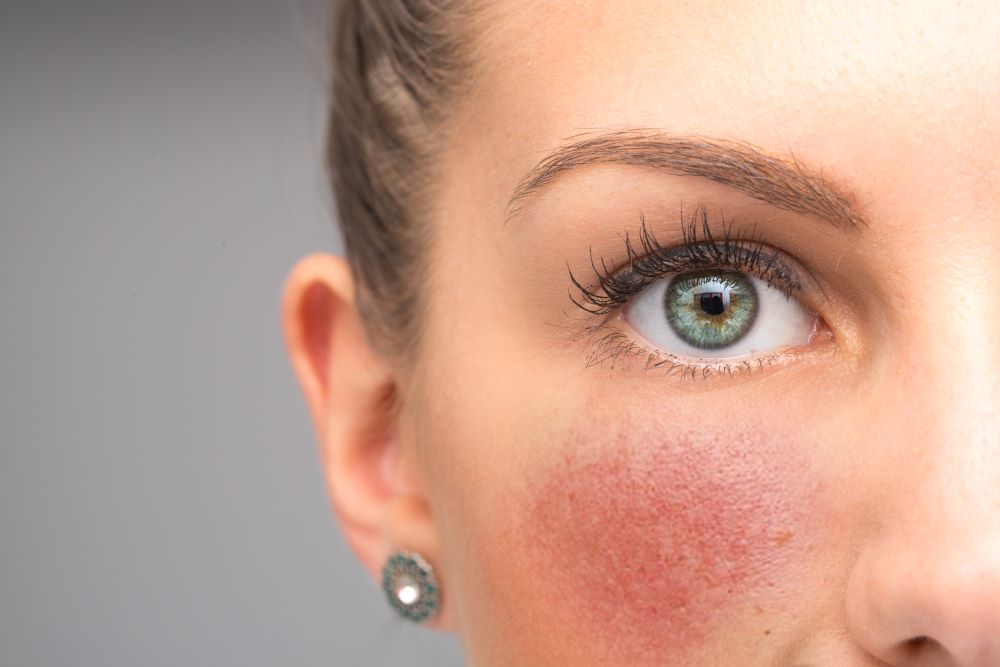
Pustules, often referred to as "pimples" or "pus-filled pimples," are a form of acne that affects the pores. They are one of the most common symptoms of common acne, along with blackheads and oily skin. They typically develop in moderate acne but can also occur in milder cases. These reddish bumps on the skin are often covered by a white pustule or appear as underground pimples entirely beneath the skin.
Regardless of whether they are pimples or blackheads: We strongly advise against squeezing pimples (or blackheads). Open pimples can come into contact with more germs, which only makes things worse. Underground pimples cause sebum (skin oil) to accumulate and spread into the surrounding skin areas, which can lead to existing inflammation. In very rare cases, meningitis can develop.
What types of pimples are there?
Let's avoid any confusion by systematically examining the different types of pimples. You've probably noticed that these skin blemishes can look very different. Some can be filled with pus and have a yellowish color, while others can appear blackish. They can be raised or feel like a rough knot in the skin.
The first thing you should check is whether your blemishes are inflammatory acne or not. Inflammatory acne, also known as painful acne, is characterized by painful pimples that are often red. Non-inflammatory acne includes these types of blemishes (comedones). When blackheads form, the opening of our sebaceous glands can become clogged. This can be caused by increased sebum production or excessive keratinization. A plug forms on the skin surface as a result of clogged sebaceous glands by dead skin cells and sebum. Blackheads are black (blackhead) or white/light-colored (whiteheads). What is the difference between a whitehead and a blackhead?
- Blackheads: The sebum plug, which forms a connection between the hair follicle and the skin surface, can oxidize when it comes into contact with atmospheric oxygen. The melanin pigment in these cells darkens due to this reaction, creating a blackhead.
- Whitehead: In reality, the difference is that there is no contact with atmospheric oxygen here, and the uppermost layer of skin covers the plug like a thin membrane. The contents of the plug are light.
The other type of skin blemishes are pimples that appear inflamed. This is called inflammatory acne. The symptoms on the skin can become increasingly distressing. While you might still forgive your skin a blackhead, inflammatory acne can cause severe discomfort, red bumps, pus-filled pimples, and nodules deep in the epidermis.
These include boils, papules, nodules, cysts, and other skin blemishes that may be difficult to grasp in technical jargon. A pustule is comparable to a pimple in that it is a tiny red inflamed area from which pus exudes when squeezed. They resemble a white pustule and are painful to the touch.
A reddened and swollen lump can be seen on the skin as a pimple. However, you can feel them penetrate deep into the skin when you squeeze them. Many people refer to them as "underground pimples" because of this ability. Since this type of pustule develops in a deeper layer than, for example, a pustule, an overgrowth of propionibacteria (bacteria on the skin) can play an important role.
How do pimples develop?
When pimples form, it's often due to hormones. An excess of male sex hormones (androgens) in the body unbalances the ratio between male and female sex hormones. This then stimulates sebum production (skin oil), leading to the formation of pimples. If the skin keratinizes more, this leads to a sebum buildup. From here, blackheads form, and if they come into contact with bacteria, pimples develop due to inflammation.
Further causes of blemished facial skin
Hormonal changes
Hormonal changes can be caused by a variety of factors, such as a new contraceptive, pregnancy, stress, or aging. This can be a long-term or short-term reaction, like menstruation or stopping the pill. The belief that hormonally induced acne only occurs during puberty is therefore absurd.
Medication
Risks and side effects can also affect the skin. A number of medications, such as anabolics, psychotropic drugs, or neuroleptics, can worsen existing acne or even cause it.
Predisposition and genes
Have you ever wondered why some people have acne? Let's take a look at what we inherited from our parents. Is it true that dark hair, blue eyes, blemished skin are a genetic trait passed down through generations? If one or both parents had acne, there is a genetic predisposition for acne.
Nutrition
"You are what you eat" - our food can also affect the skin. The skin can react differently to meals, just as with allergies. Alcohol, sugar, and white flour products are two common culprits that cause inflammatory reactions in people. Dairy products, eggs, and pork are considered pro-inflammatory. A healthy diet that contains as many unprocessed foods as possible is recommended.
Incorrect skin care
Since everyone has a different skin type, everyone needs special care for their skin. To find out what kind of routine to follow, it is best to consult a dermatologist or cosmetologist who can get an accurate picture of your condition. However, there is a golden rule that distinguishes good skin care from bad: Don't touch your face! Because if we touch our face too often, we run the risk of inviting bacteria and germs, which then lead to inflammation and blemishes.
Environmental influences
Air quality in crowded cities is significantly worse than in rural areas, and this affects our skin. Exhaust fumes, smog, and fine dust are unhealthy for the skin! Clean air, such as you find in forests or in the mountains, on the other hand, is excellent for the skin.
Lifestyle
Is it a coincidence that pimples and blemishes appear after a party weekend? This is no surprise: alcohol dries out the skin and at the same time increases sebum secretion. A negative combination that can lead to pimples. Smoking also damages the skin. Harmful substances disrupt inflammatory processes and constrict blood vessels, so your skin can no longer breathe. Stress is another factor that worsens the appearance of blemished skin: whether at home or at work, stress can promote a bad complexion.
What to do about pimples?
There is no one-size-fits-all solution for perfect skin, but you can do your best to address your skin's needs. If you're not sure exactly what your skin needs, it's always a good idea to ask an expert. The wrong type of care can even worsen pimples, blackheads, and acne. Consider the possible causes of blemished skin listed above and consider which ones might apply to you and whether you can do anything about them. Skin is affected by both internal and external factors, but not all of them are within our control. If we want better skin, we need patience. Changes don't happen overnight, and often the appearance of our skin is only temporary due to things like stress or hormonal fluctuations. We should always remember that our skin is a reflection of ourselves. Instead of punishing ourselves for not having perfect skin, we should be kind to ourselves and believe that we are worthy, no matter what our complexion looks like.
Home remedies for pimples
Don't worry if a pimple appears. In such situations, you don't need a miracle cure from the store. One of several home remedies can also help against pimples.
Tea tree oil
Tea tree oil is used to treat pimples due to its antibacterial and anti-inflammatory properties. Thanks to these properties, the inflamed pustule dries up quickly. This not only gets rid of the unsightly redness but also makes the inflamed pimple smaller and less painful. Please note that if you have unusually sensitive or dry skin, you should wash your skin with lukewarm water after about 15 minutes to remove the tea tree oil.
Apple cider vinegar facial toner
Many of you may not know this little-known secret: Ordinary apple cider vinegar, like tea tree oil, contains antibacterial and anti-inflammatory substances that can cleanse your pores and prevent future impurities. The apple cider vinegar solution balances your skin's pH value. The smell of apple cider vinegar may initially be unpleasant, but it quickly dissipates after application.
Honey and cinnamon mask
Honey can not only replace one or two facial care products, but it also helps especially if you have sensitive skin. The sweet spread prevents the spread of bacteria and accelerates the healing process of pimples. If you use honey as an intensive mask with cinnamon, you will notice significant results.
Lemon
A single pimple is blooming on your face? In this case, lemon can help. Its antibacterial effect helps to quickly stop the growth of the pimple. On the other hand, applying this home remedy also ensures that the pimple dries out faster and thus disappears more quickly. An important note: Lemon juice concentrate contains preservatives - so always use fresh lemon juice for this SOS trick!
Healing clay
A healing clay mask is also an effective home treatment for pimples and blackheads. It contains elements and minerals that have a skin-healing effect. Healing clay as a mask has a cooling effect, loosens clogged pores, and removes flakes and excess oil from the skin. Great: The healing clay mask can be applied to any part of the body - from the face to the décolleté to the back - making it extremely versatile.
Aloe Vera
The gel contained in the leaves of aloe vera can help relieve pimples, soothe irritation, and accelerate the healing process. Did you know that it can also help alleviate acne scars?
Chamomile
For many of us, steam baths with chamomile bring back childhood memories when our parents gave them to us as a home remedy for colds. But did you know that they also have the pleasant side effect of opening our pores and allowing makeup residue and dirt to drain away? A steam bath is therefore also a well-known home remedy for pimple emergencies. Chamomile contributes to the effectiveness of a steam bath against pimples. Its antiseptic properties help the pustules subside more quickly.
Conclusion
Skin care is a very personal matter. Only you can decide whether the given recommendations are useful for you. If your skin is extremely sensitive and causes irritation, you should consult a dermatologist. This way, you can be sure to receive the treatment that best suits your skin type.