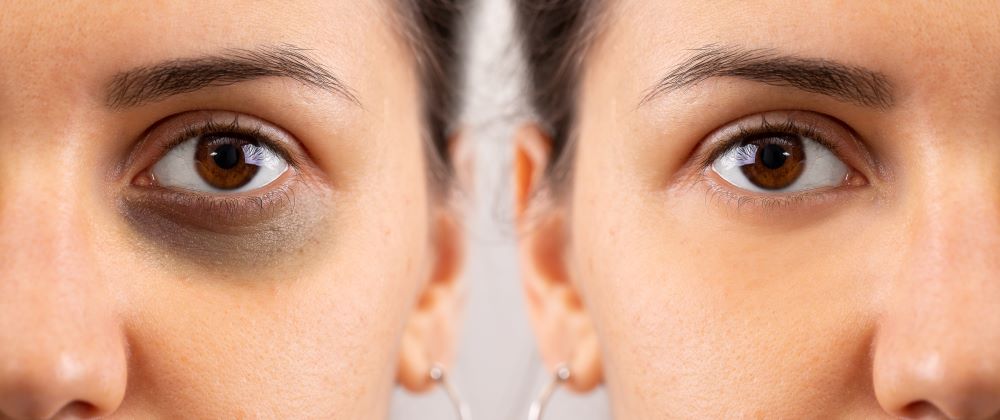
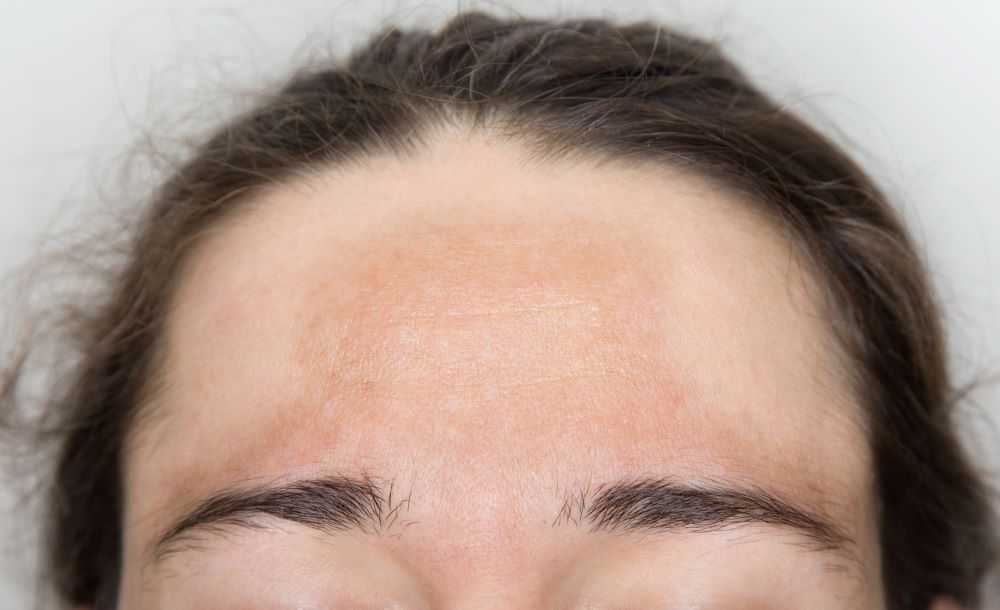
Hyperpigmentation, age spots, and sunspots are all types of pigmentation marks. They can appear suddenly and in people of all ages, not just those over 50. A holiday in Turkey is one possibility. There's plenty of sun, sand, parties, and perhaps too much fun combined with no sunscreen. You're 25, carefree, and pigmentation marks aren't on your radar. They appear out of nowhere. Not only have the memories of that summer been etched into your mind, but also the brownish-gray hyperpigmentation on your skin, which is lighter or darker depending on the season. Hormones can also be a trigger. During pregnancy, for example, when hormones fluctuate, freckles or hyperpigmentation can appear on the face and body, or during puberty, especially in young women taking the birth control pill. But what can you do? A person's skin is not perfect. Pigmented skin changes can be observed in about 90% of Germans, according to forecasts. In general, pigmentation marks that have a red, brown, or ocher hue are not harmful and do not require medical treatment. However, some people consider the discolorations to be a cosmetic blemish. Those affected by skin discolorations often have problems with them on their face. In this article, you will learn where pigmentation marks come from and how to get rid of them.
Key points in brief
- Pigmentation marks are usually no cause for concern! They often appear suddenly and unexpectedly after too much sun or due to hormonal changes.
- There are different types of hyperpigmentation that can be divided into the following types: melasma, white and brown pigmentation marks, freckles, age spots, post-inflammatory hyperpigmentation, nevi, vitiligo.
- Depending on the type, there are home remedies or professional help if you want to get rid of your pigmentation marks.

What causes pigmentation marks?
Pigmentation marks can be caused by various factors. Some of the reasons for their development are genetic. It is also known that hormones play a role in hyperpigmentation. Women often get melasma (discolored skin patches) during pregnancy or as a result of taking the birth control pill. Melasma, i.e., discolored skin patches, is quite common in women during pregnancy. One of the most common causes of skin pigmentation is also excessive sun exposure.
Although there are many possible triggers, pigmentation marks generally develop in the same way. This is because the change in color is caused by melanin, the body's natural skin pigment. If a localized overproduction of melanin is triggered by one of the causes mentioned above, a pigmentation mark results.
Can pigmentation marks appear suddenly?
Some people are born with hyperpigmentation, while others develop it later in life. Pigmentation marks can also appear suddenly. If you notice rapid skin changes, you should consult a doctor if necessary. Pigmentation marks can fade on their own or disappear completely; they are not always permanent. However, many pigmented skin changes require special treatment to remove them safely and effectively.
What are the different types of hyperpigmentation?
There are many types and causes of brown spots on the skin. Some of the most common skin changes are:
Pigmentation mark
Dark spots on the skin are generally referred to as pigmentation marks. These can be due to many different causes, but UV radiation is usually one of the main culprits.
Freckles
Freckles are relatively small, golden-brown spots that appear primarily in summer. The likelihood of having freckles is determined by your genes. Sun exposure encourages their growth, especially in areas such as the face, arms, or shoulders.
Age spots
As the name suggests, age spots are more commonly found in older people. They usually appear on body parts that have been exposed to sunlight for a long time, such as the face, arms, and hands.
Melasma
Melasma is a type of hyperpigmentation that is common in women during or after pregnancy, typically on the face. However, other hormonal changes can also cause melasma, such as taking or discontinuing the birth control pill.
Post-inflammatory hyperpigmentation
Post-inflammatory hyperpigmentation marks are red or brown spots on the skin that form where an inflamed pimple once was.
Nevus
Birthmarks, better known as nevi or liver spots, are a special form of hyperpigmentation. This is because there is not only a pigment change but also a tissue change. Therefore, you should never try to treat these yourself at home – always talk to a dermatologist first.
Vitiligo
Vitiligo is a skin condition characterized by white patches, which are the opposite of normal pigmentation marks. Instead of producing too much melanin, as is the case with classic pigmentation marks, not enough is produced; hence, very light patches appear on the skin. A hereditary genetic abnormality is assumed to be the cause.
Are pigmentation marks dangerous?
Pigmentation marks are initially a cosmetic problem. Who wants grayish spots on their face that resemble a woman's beard above the upper lip, when not a single hair grows there? If hyperpigmentation spreads over the cheeks and temples, this is merely a natural reaction to increased melanin production and no cause for concern. Moles can develop into skin cancer, but pigmentation marks are not dangerous.
How to get rid of pigmentation marks?
There are many ways to deal with small pigmentation marks. Ideally, people would see them as a unique personal touch rather than a flaw. But often that's not the case. Individual pigmentation marks can be concealed with make-up or special concealers. For extremely dark pigmentation marks, this can be quite a challenge. To help pigmentation marks fade, bleaching chemicals are also available on the market. Here, great caution is advised. The products may not work as intended or may cause severe skin irritation. "Self-treatment" and other DIY procedures are not recommended. In the case of a worrying pigmentation mark, a dermatologist should be consulted instead to remove the pigmentation mark.
Removing pigmentation marks
Sun protection
The most important component for all types of pigmentation mark treatment is effective sun protection. The best method for preventing hyperpigmentation is to use sunscreens that protect you from UV radiation, especially from blue UV radiation. Without adequate sun protection, all treatments you use will be less effective and the results will be short-lived. While pigmentation marks can be treated, they can also return faster if you don't use sunscreen. Preferably use modern, compatible UV filters such as iron oxides and Tinosorb M in addition to a high SPF (which protects against UVB radiation) and a high PPD (which protects against UVA radiation).
Microneedling
With the help of a dermaroller, which has tiny needles attached, pigmentation microneedling can help to get rid of existing hyperpigmentation or even make it disappear completely. These micro-injuries cause the skin to form new connective tissue and collagen, gradually reducing hyperpigmentation.
Vitamin C
Vitamin C stimulates immune cells to work more effectively, so they can remove pigments from skin cells faster. Specialized creams and serums for treating pigmentation not only improve the current appearance of your skin but also prevent the formation of new hyperpigmentation. For example, they protect against free radicals, supply the skin with vitamin C, and reduce the cells' exposure to UV light.
Aloe Vera
Aloe vera gel has long been praised for its healing properties, both internally and externally. It is often used to relieve sunburn but can also be applied to minor cuts and scrapes. Numerous skincare products utilize the soothing properties of aloe. And now, scientific studies have confirmed what was already known in many cultures: aloe vera can help in the healing of dermatitis and other inflammatory skin conditions.
Chemical peel
A professional peel treatment can also help remove unwanted spots. Chemical peeling is a form of chemical therapy in which a specific substance is applied to the skin to achieve a specific result. As a result of the decrease in melanin production and the subsequent death of skin cells, the overlying skin layers later peel off, revealing newer underlying skin cells. Depending on the extent of the pigmentation disorder, several treatment sessions may be necessary to achieve the best results.
Preventing pigmentation marks
To prevent pigmentation marks, you should avoid stressing the skin as much as possible. Since UV radiation is primarily responsible for the formation of pigmentation marks, it is important to always protect your face and body with a sunscreen with a high SPF - ideally, this is already included in your cream. The effects of UV radiation are not influenced by the weather or the season. Therefore, it is important to use sunscreen with SPF all year round to avoid these harmful rays.