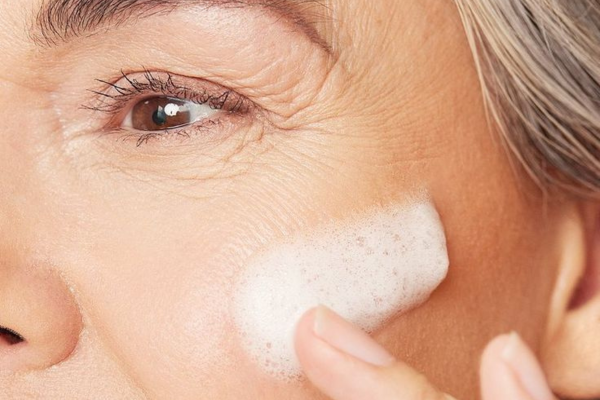

Sensitive skin requires special attention and targeted care to minimize irritation, redness, and discomfort. Here you will find practical tips and recommendations for an effective and gentle skincare routine.
Avoid Irritating Ingredients
Be sure to avoid ingredients that can irritate the skin. Read product labels carefully and avoid fragrances, alcohol, sulfates, and synthetic dyes. Instead, opt for products that contain soothing and moisturizing ingredients like aloe vera, oat extract, and chamomile.
Gentle Cleansing
Mild cleansing is crucial for sensitive skin. Use gentle, fragrance-free cleansing products that do not dry out or irritate the skin. Wash your face with lukewarm water and avoid extreme temperatures to protect your skin. Gently pat your skin dry after cleansing instead of rubbing.
Moisturizing Creams and Lotions
Proper moisturizing is essential. Choose creams or lotions specifically designed for sensitive skin, free from fragrances and irritating ingredients. Ingredients like hyaluronic acid and glycerin help to deeply hydrate the skin and strengthen its moisture barrier.
Sun Protection
Sensitive skin is particularly susceptible to sun damage. Use a broad-spectrum sunscreen with an SPF of at least 30 and prefer products with physical filters like zinc oxide or titanium dioxide, which are well-tolerated. Apply sunscreen generously and reapply it regularly, especially after swimming or heavy sweating.
Conclusion
Caring for sensitive skin requires mindfulness and careful product selection. By avoiding irritating ingredients, gentle cleansing, using moisturizing products, and adequate sun protection, you can optimally care for your skin. Remember that every skin is individual. Find products and routines that are specifically suited to your skin.
Sources:
Draelos, Z. D. (2010). The Science Behind Skin Care: Moisturizers. Journal of Cosmetic Dermatology, 9(4), 276-282.
Draelos, Z. D. (2016). Sensitive Skin: Creating a Rationale for Diagnosis and Ongoing Management. Journal of Clinical and Aesthetic Dermatology, 9(12), 18-22.
Loden, M. (2003). Role of Topical Emollients and Moisturizers in the Treatment of Dry Skin Barrier Disorders. American Journal of Clinical Dermatology, 4(11), 771-788.
Lim, H. W., et al. (2011). Photoprotection in Changing Times – UV Filters and Strategies for Management of Sun-Damaged Skin. Journal of the American Academy of Dermatology, 64(5), 866-874.